Expert Analysis
What Will Make More Organisers Choose African MICE Destinations?
Africa has the infrastructure, cultural diversity, business opportunities and growing tourism industry to attract more international events. The next challenge is turning these strengths into destinations that organisers can confidently choose, delegates can easily access and the global MICE industry can rely on.
A city does not become a leading MICE destination simply because it has a convention centre, several international hotels or an attractive tourism offering. These are important foundations, but international competitiveness is built on something much broader: the ability to deliver a complete, reliable and valuable experience for event organisers, delegates and the wider business community.
Across Africa, cities are investing in infrastructure, improving their tourism offerings and positioning themselves for a greater share of the global Meetings, Incentives, Conferences and Exhibitions (MICE) market. Yet the opportunity is accompanied by a significant challenge.
According to figures reported from the International Congress and Convention Association (ICCA), Africa hosted 497 international and regional association meetings in 2025, approximately 4% of the 12,438 meetings recorded worldwide. While these figures cover association meetings rather than the entire MICE industry, they illustrate the scale of the opportunity ahead.
The question is no longer whether African cities can host international events. It is what will make more organisers choose them.
Connectivity Must Come First
One of the first considerations for an international event organiser is how easily delegates can reach a destination.
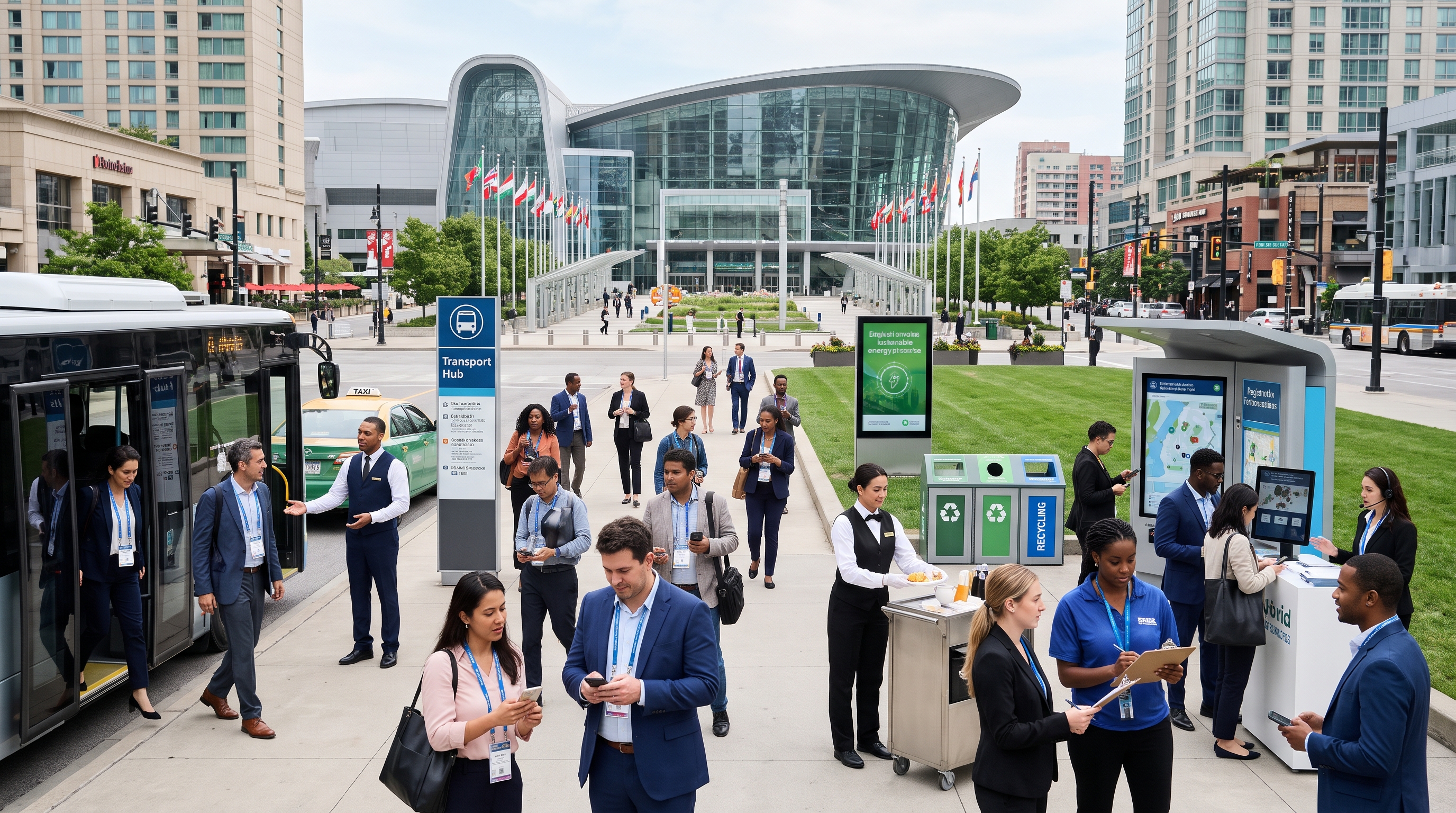
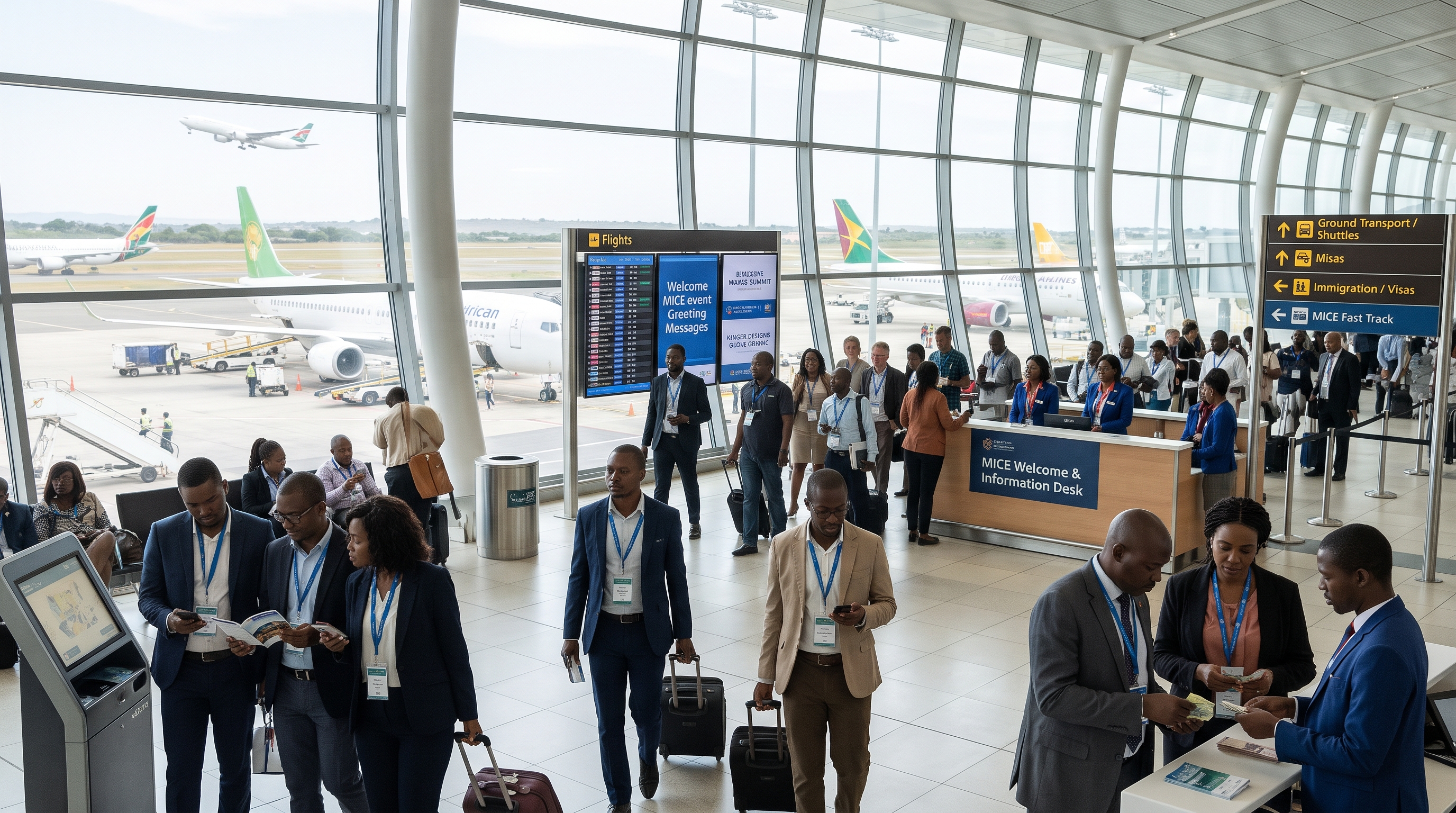
Direct international flights, convenient connections, competitive airfares, efficient airport services and reliable ground transportation all influence destination selection. A city may have excellent facilities, but complicated travel arrangements can make it less attractive, particularly for events expected to draw participants from several countries.
This remains a significant issue across Africa. In November 2026, the United Nations Economic Commission for Africa highlighted that only one in five city pairs across the continent has a direct daily flight. Limited connectivity can increase travel time and costs, making regional participation more difficult.
Visa accessibility is equally important. Clear entry requirements, efficient processing and predictable procedures can influence whether delegates and organisers consider a destination practical.
Improving connectivity requires collaboration between governments, airlines, airports, immigration authorities and tourism stakeholders. It is not something a convention bureau or hotel can solve independently.
Expert Take
Connectivity is a whole-of-government challenge. No single convention bureau or hotel group can fix route networks or visa regimes alone — but destinations that convene airlines, immigration authorities and tourism stakeholders around a shared air-access strategy will move faster than those that don't.
Infrastructure Must Be Supported by Reliable Services
Modern convention centres, quality hotels, exhibition facilities and appropriate event spaces remain essential. However, infrastructure is only as competitive as the services supporting it.
Organisers need reliable internet, professional technical teams, experienced suppliers, efficient logistics, quality catering, security and dependable accommodation. They also need confidence that these services can work together, particularly when delivering large or complex events.
A destination's competitiveness is therefore not determined by its most impressive facility. It is shaped by the consistency of the entire event experience.
Cities must also consider the range of events they want to attract. International association congresses, exhibitions, corporate meetings, incentive programmes and large-scale summits have different requirements. Understanding these needs helps destinations invest in facilities and services that respond to actual market demand.
A Strong Convention Bureau Can Change the Game
A competitive MICE destination needs an organisation that brings its different stakeholders together and actively develops business opportunities.
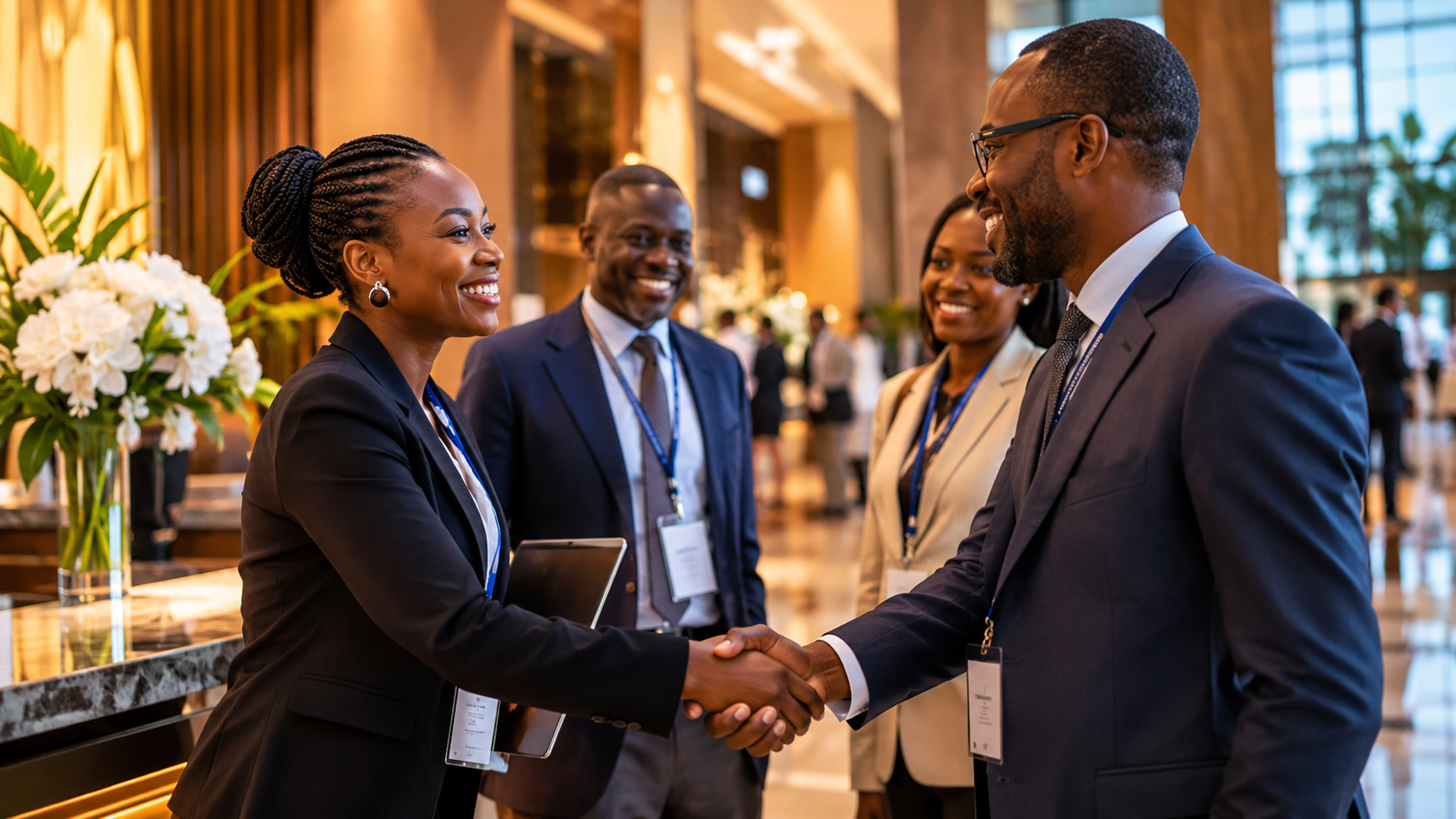
Convention bureaux play an important role in this process. They help market destinations, support international bids, connect organisers with local suppliers and coordinate the services required to deliver successful events.
However, their role should extend beyond responding to enquiries. Destinations need to identify relevant international associations, corporate buyers and event organisers, understand their priorities and build relationships before bidding opportunities arise.
This requires market intelligence, professional representation, consistent follow-up and a clear understanding of what makes the destination valuable.
Rwanda offers an interesting example. Its coordinated MICE strategy, convention bureau development, visa facilitation and sustained engagement with international industry networks have contributed to its growing position. According to figures shared by the Rwanda Convention Bureau, the country hosted 165 international and regional MICE events in 2025, attracting more than 61,000 delegates and generating US$94.7 million in revenue.
The lesson is that destination competitiveness requires more than promotion. It requires an organised effort to develop, market and deliver business events.
165
International & regional MICE events
61,000+
Delegates attracted
US$94.7M
Revenue generated
Source: Rwanda Convention Bureau
The Destination Must Offer More Than a Conference
International delegates travel for a reason. While the event programme may be the primary motivation, the destination can significantly influence the overall value of the experience.
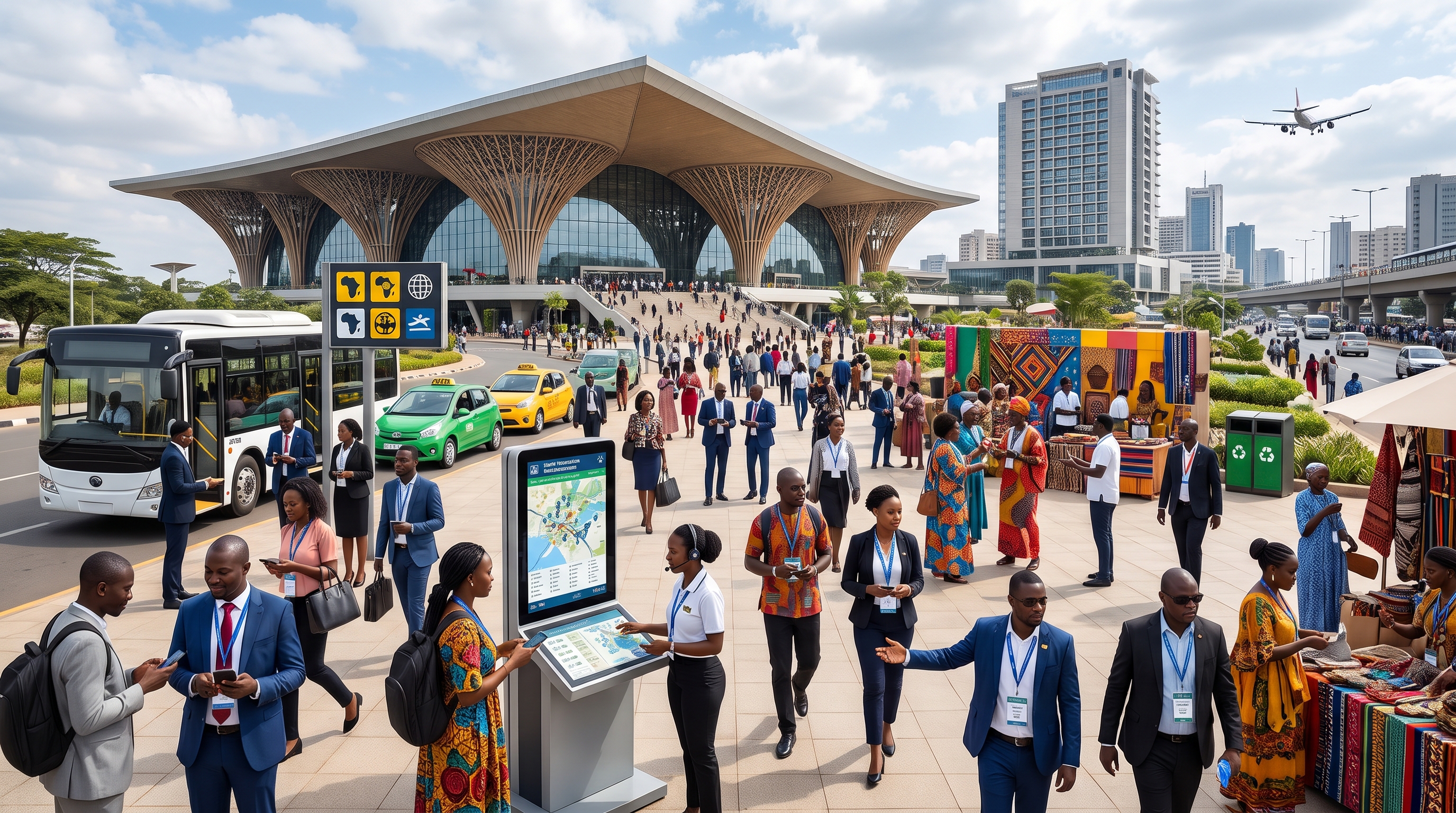
Africa has an advantage in its cultural diversity, heritage, cuisine, natural attractions, creative industries and business opportunities. These strengths can make an event more memorable and provide opportunities that delegates may not find elsewhere.
But destinations need to connect these experiences to the purpose of the event.
A conference focused on investment, for example, could create opportunities for delegates to engage with local businesses, investors, government institutions and emerging industries. An incentive programme could combine business objectives with carefully designed cultural and tourism experiences.
The objective should not simply be to add sightseeing to an event itinerary. It should be to make the destination part of the event's value.
"The objective should not simply be to add sightseeing to an event itinerary. It should be to make the destination part of the event's value."
Technology, Skills and Professional Standards Matter
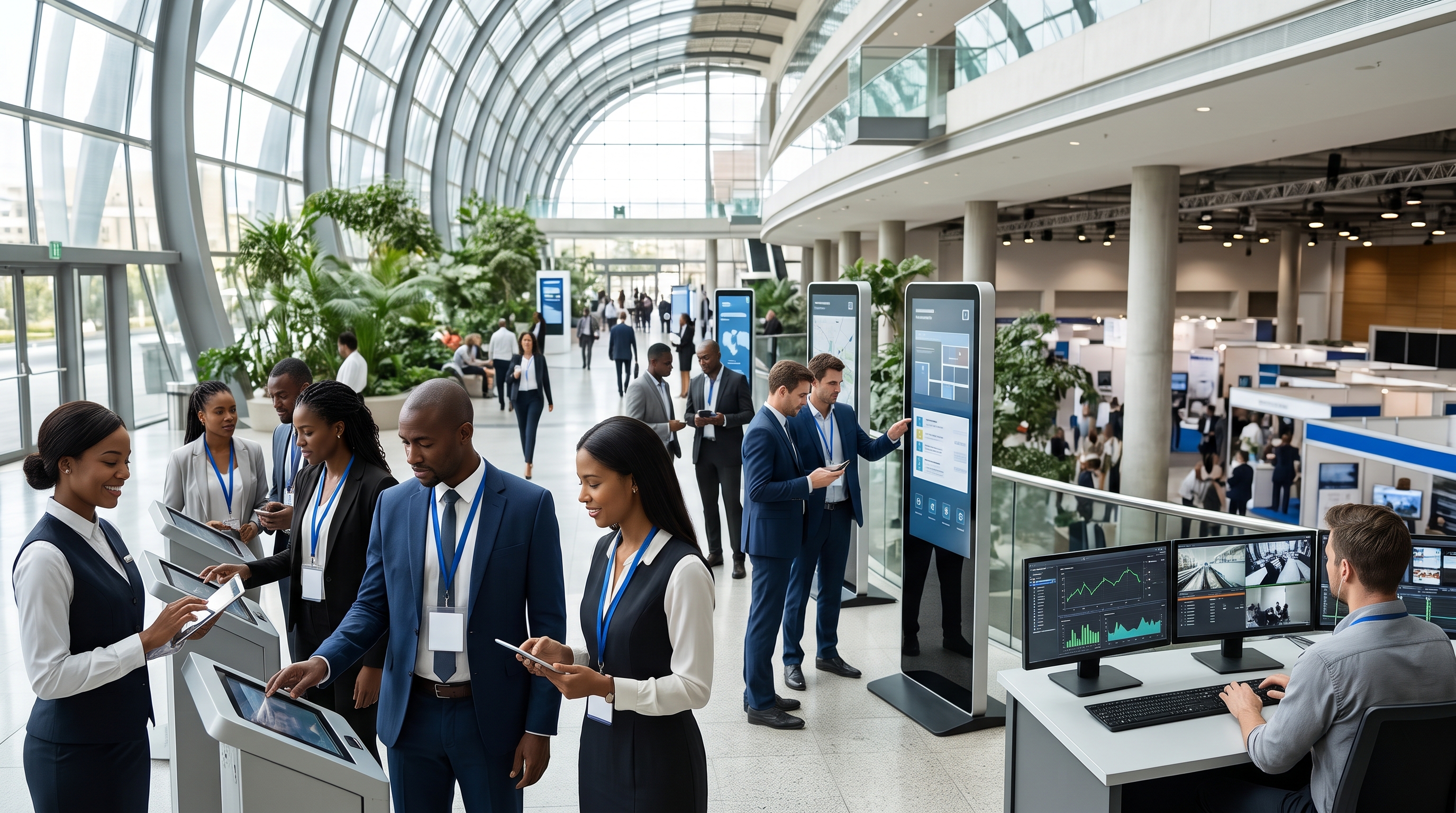
The modern MICE industry depends on technology at almost every stage of event delivery. Registration platforms, event applications, digital networking, audience engagement systems, hybrid event infrastructure and data analytics are increasingly important.
Cities that invest in digital capabilities can make event planning and delegate management more efficient. However, technology must be supported by skilled professionals who understand how to use it effectively.
This makes skills development another important area of investment. Professional conference organisers, destination managers, venue teams, event technology providers, hospitality professionals and other industry participants all contribute to the destination's ability to compete.
International organisers need confidence in the people delivering their events, not just the facilities they are booking.
Competitiveness Requires Collaboration Across Borders
African cities should not view the growth of the MICE industry as a competition in which one destination must succeed at the expense of another.
There are opportunities for regional collaboration through shared event calendars, improved transport connections, joint destination promotion and multi-country incentive programmes.
A delegate attending an international conference in Nairobi, for example, may also be interested in extending their visit to other destinations in East Africa. With the right partnerships, these opportunities can create value across several markets.
Regional cooperation can also strengthen Africa's collective position when pursuing major international events. Better coordination can make travel across the continent easier and present Africa as a connected business events region rather than a collection of isolated destinations.
The African Continental Free Trade Area and wider regional integration efforts provide an important context for this ambition. Better movement of people, services and businesses can support the development of a stronger MICE ecosystem.
Expert Take
The African Continental Free Trade Area is often discussed in trade terms, but its implications for business events are just as significant. Easier movement of people and services is the foundation of multi-country incentive programmes and regional conference circuits.
Building the Next Generation of African MICE Cities
Africa's next generation of MICE destinations will not necessarily be the cities with the largest convention centres or the biggest tourism budgets. They will be the cities that understand their strengths, address their limitations and invest strategically in the areas that matter most to international organisers.
That means improving connectivity, developing professional destination management, strengthening public-private partnerships, investing in skills and technology, and creating experiences that give delegates a compelling reason to visit.
It also means measuring success beyond the number of events hosted. Repeat business, international participation, organiser satisfaction, delegate spending, local supplier involvement and the long-term economic and knowledge benefits of events are equally important indicators.
For African cities, the opportunity is substantial. But real progress will depend on moving from ambition to coordinated execution.
The future of Africa's MICE industry will be shaped by cities that do more than host events. It will belong to destinations that create the conditions for meaningful connections, business opportunities, knowledge exchange and experiences that bring the world back.