New initiative examines how countries are planning for tourism growth through governance, prosperity, people and planet
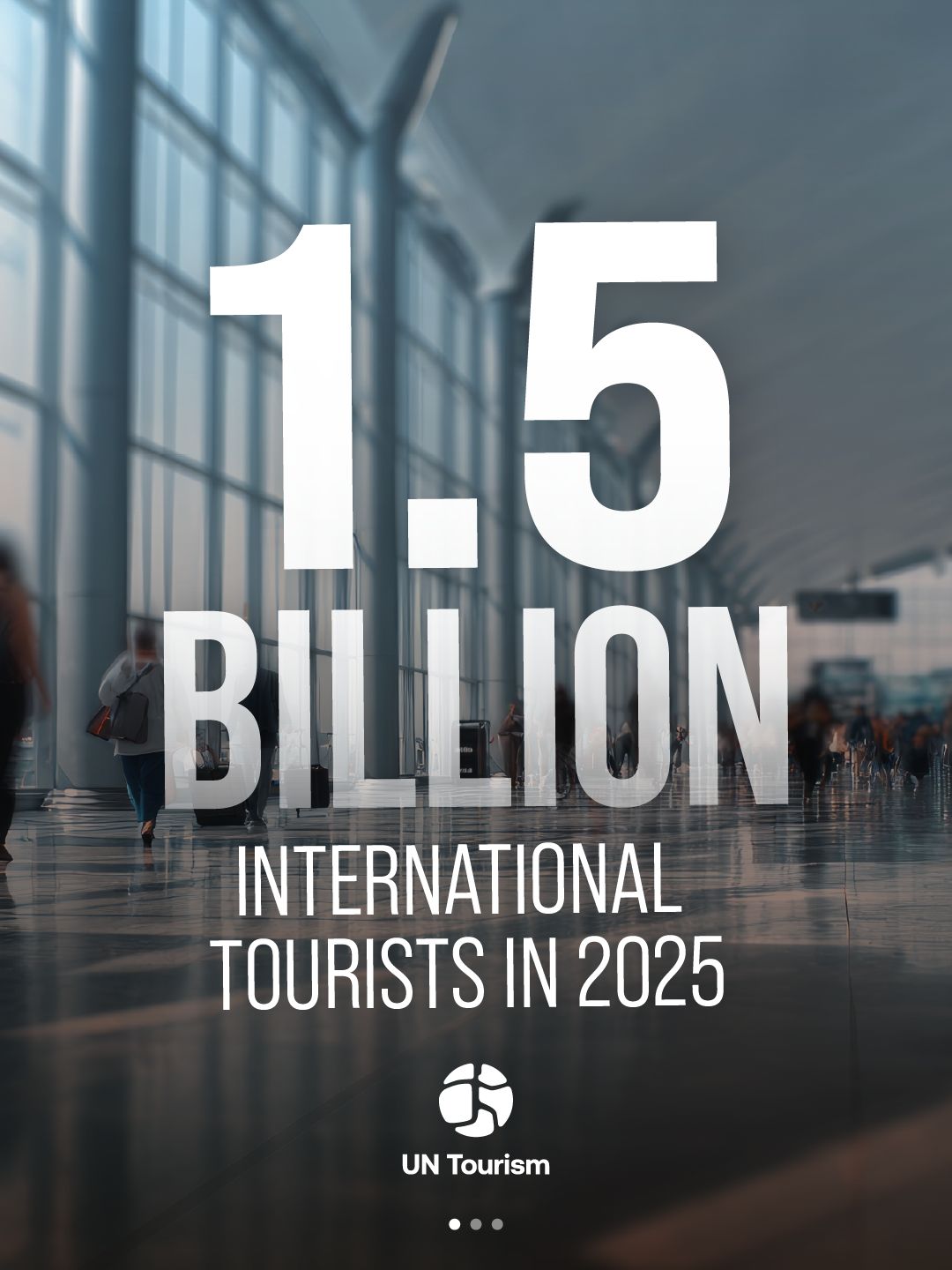
ABU DHABI, United Arab Emirates — Global tourism has undergone remarkable growth over the past five decades, expanding from 222 million international tourist arrivals to 1.5 billion. While this growth reflects the sector's increasing global significance, it also raises an important question: how can destinations manage tourism's expansion while ensuring its benefits are sustainable, inclusive and widely shared?
This question took centre stage at the 127th Executive Council of UN Tourism in Abu Dhabi, where the organisation marked a new milestone with the launch of the World Tourism Report Insights.
The initiative brings together tourism policy, performance and foresight, providing countries with insights intended to support more informed decision-making and help shape tourism policies that work for everyone.
Assessing national tourism strategies
At the heart of the initiative is an assessment of 115 national tourism plans and strategies, evaluated through 29 indicators structured around four key pillars: governance, prosperity, people and planet.
115
National plans & strategies
29
Indicators
Four pillars
Governance · Prosperity · People · Planet
This framework provides a basis for examining how countries approach tourism development, from the policies and institutions guiding the sector to its economic, social and environmental considerations.
By bringing these dimensions together, the World Tourism Report Insights seeks to contribute to a broader understanding of how national tourism strategies are positioned to respond to the opportunities and responsibilities that come with a growing global industry.
Managing growth and shaping the future
The growth of international tourism presents significant opportunities for destinations, businesses and communities. However, the scale of this expansion makes effective planning, sound governance and long-term thinking increasingly important.
As destinations compete for visitors and investment, the ability to translate tourism growth into shared prosperity will remain central to the sector's future. This requires more than increasing visitor numbers; it calls for strategies that consider the people, places and environments that sustain tourism.
Through the World Tourism Report Insights, UN Tourism is placing greater emphasis on the relationship between tourism policy, sector performance and future planning. The initiative offers countries an opportunity to reflect on their approaches and consider how tourism can contribute more meaningfully to inclusive and sustainable development.
Looking ahead
The launch of the World Tourism Report Insights marks an important step towards strengthening the evidence and insights available to tourism policymakers and stakeholders.
While the initial insights are now accessible, the full report is expected in 2027, offering a more detailed examination of the findings.
As international tourism continues to evolve, how countries manage its growth will be just as important as the growth itself. The decisions made today will influence the competitiveness, resilience and sustainability of destinations for generations to come.
Explore the World Tourism Report Insights: http://wtr.untourism.int
The full report is expected in 2027.













Join the conversation
0 comments — share your thoughts, ask questions and reply to others.
Log in with your account to join the discussion — it only takes a moment.
No comments yet.
Be the first to share your thoughts on this article.