Expert Analysis
The Changing Face of Business Hospitality: What Modern MICE Travellers Expect from Hotels
Business travel is changing, and hotels are having to rethink what it means to accommodate the modern business traveller. For years, the essentials were relatively straightforward: a comfortable room, reliable service, convenient location and facilities for meetings. These remain important, but today's MICE travellers expect considerably more.
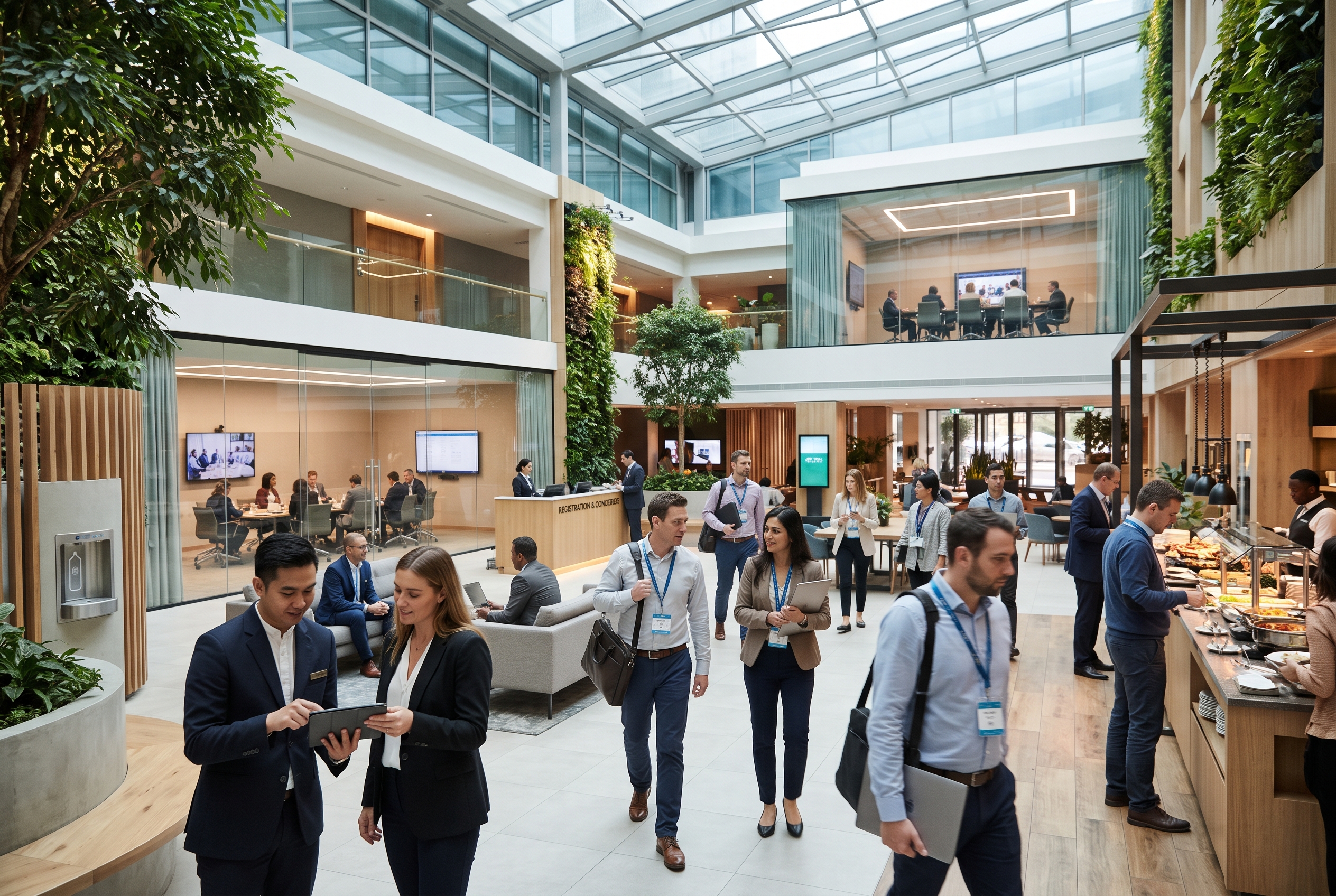
Delegates attending conferences, executives travelling for meetings and professionals participating in incentive programmes increasingly look for experiences that make their journeys productive, comfortable and worthwhile. For hotels, this presents an opportunity to move beyond accommodation and become more active partners in the business events experience.
The guest experience is becoming more personal
One of the most noticeable changes is the growing expectation for personalised hospitality. MICE travellers do not all arrive with the same needs. A conference delegate may need a quiet workspace and convenient access to event facilities, while a speaker may require flexible arrangements, technical support and assistance with a demanding schedule.
Hotels are responding by using guest preferences, booking information and technology to improve service delivery. Personalised room arrangements, tailored dining options, flexible check-in and more responsive guest support can make a meaningful difference.
However, personalisation does not necessarily mean introducing complicated technology. Often, it comes down to understanding why a guest is travelling and making the experience easier from arrival to departure.
Technology is becoming part of the hospitality experience
Technology now influences almost every stage of the MICE journey. Travellers expect convenient digital communication, efficient booking processes, reliable internet connectivity and access to services without unnecessary delays.
For hotels hosting conferences and business meetings, the expectations extend further. Reliable audiovisual equipment, hybrid meeting capabilities, digital event coordination and integrated registration systems are increasingly important.
The 2025 Cvent Global Travel Managers Report identified hybrid and remote work as a major influence on business travel priorities, while technology continues to shape how organisations select hotels and venues.
For hospitality providers, the implication is clear: technology is no longer simply an operational convenience. It is part of the service being offered to event organisers and their delegates.
2025 Cvent Global Travel Managers Report
Identified hybrid and remote work as a major influence on business travel priorities.
GBTA 2026 Research
Highlights affordability and rising travel costs as growing concerns for business travel buyers.
Flexibility and productivity matter more than ever
The traditional separation between business and leisure travel is becoming less defined. Some professionals extend business trips to explore their destination, while others combine work commitments with personal time. This has encouraged hotels to rethink how they accommodate different travel patterns.
Flexible stays, comfortable workspaces, accessible dining, wellness facilities and convenient local experiences are becoming valuable considerations.
The same flexibility applies to event organisers. Meeting requirements can vary significantly, from small executive sessions to multi-day conferences involving hundreds of delegates. Hotels that can adapt their spaces, packages and services to different event formats are better positioned to compete.
This is particularly relevant as organisations become more deliberate about travel spending. The Global Business Travel Association's 2026 research highlights affordability and rising travel costs as growing concerns for business travel buyers. Hotels therefore need to demonstrate value, not simply offer more expensive packages.
"Hotels therefore need to demonstrate value, not simply offer more expensive packages."
Sustainability and responsible hospitality are gaining importance
Sustainability is also becoming part of the conversation when organisations choose accommodation and event venues. Corporate clients are paying greater attention to how their travel and events affect the environment and surrounding communities.
Hotels can respond through responsible energy and water management, waste reduction, locally sourced food, reduced single-use plastics and stronger engagement with local suppliers.
These initiatives should be practical and measurable rather than simply presented as marketing claims. For MICE organisers, a hotel's ability to demonstrate genuine environmental responsibility can contribute to its attractiveness as an event partner.
Hotels must become partners in the wider event experience
Perhaps the most important shift is the changing relationship between hotels and event organisers. Hotels are increasingly expected to contribute beyond providing rooms and meeting spaces.
A successful event depends on several connected experiences: accommodation, transportation, catering, technical support, networking and the overall destination experience. When these elements work together, delegates are more likely to have a positive experience, and organisers can concentrate on delivering their programmes.
Hotels that build stronger relationships with Professional Conference Organisers, Destination Management Companies, event planners and destination marketing organisations can become valuable partners in this process.
This also creates opportunities for hotels to attract repeat business, secure long-term corporate relationships and strengthen their position within the MICE market.
Looking ahead
The future of business hospitality will not be defined by technology alone, nor by the number of facilities a hotel can offer. It will depend on how effectively hotels combine service, flexibility, technology and an understanding of the people they accommodate.
For Africa's hospitality sector, this presents an important opportunity. As destinations across the continent strengthen their position in the international MICE market, hotels that invest in service quality, modern infrastructure, skilled teams and meaningful partnerships will be better placed to attract international conferences and business travellers.
Ultimately, MICE travellers are not simply looking for somewhere to sleep between meetings. They are looking for an environment that supports their work, respects their time and enhances their overall experience.
Hotels that understand this distinction will be better prepared for the next chapter of business hospitality.










Join the conversation
0 comments — share your thoughts, ask questions and reply to others.
Log in with your account to join the discussion — it only takes a moment.
No comments yet.
Be the first to share your thoughts on this article.